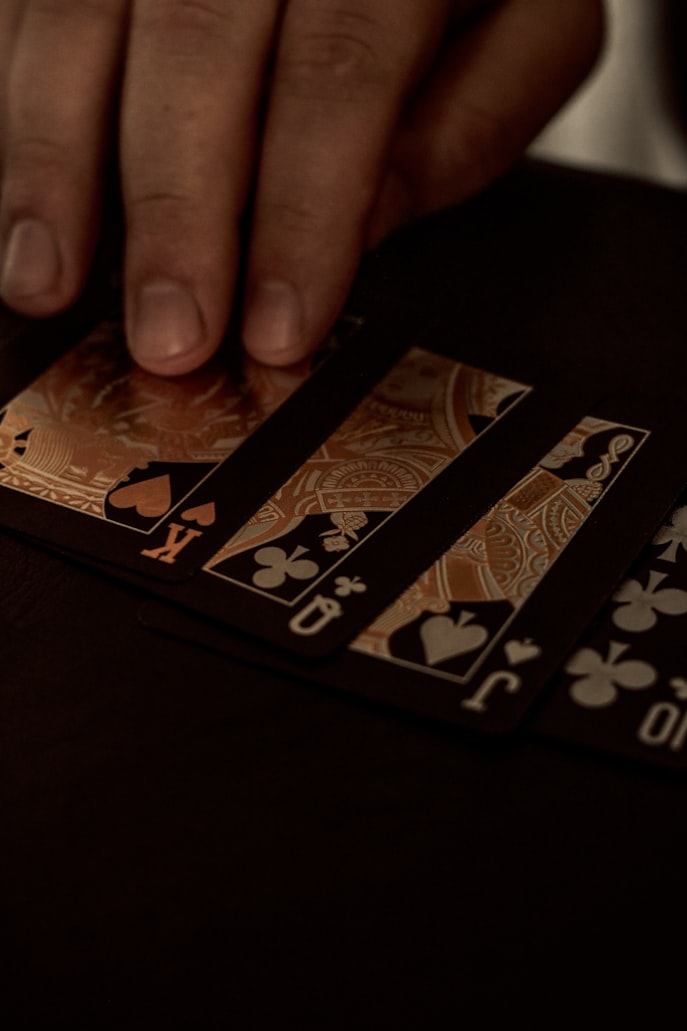
The intersection of art and gambling in popular culture
The Historical Context of Art and Gambling
The relationship between art and gambling has deep historical roots, intertwining cultures and communities across the globe. From the lavish casinos of Monte Carlo to the hidden speakeasies of the Prohibition era in the United States, gambling has served as a backdrop for artistic expression. Artists have often used gambling as a metaphor for chance, risk, and the unpredictability of life, which resonates within various artistic movements, including references to non gamstop casino and from Romanticism to Surrealism.
In the 19th century, painters like Édouard Manet and Paul Cézanne captured the essence of gambling in their works. Their paintings highlighted not only the act of gambling itself but also the social dynamics surrounding it. This trend continued into the 20th century, where influential artists explored the darker sides of gambling, using it as a lens through which to examine human behavior and societal norms. Thus, the intersection of art and gambling has long been a rich source of inspiration and critique.
Gambling in Film and Literature
The allure of gambling has made it a compelling theme in film and literature, allowing storytellers to delve into complex characters and their motivations. Classic films like “Casino Royale” and “Rounders” explore the thrilling highs and devastating lows of a gambler’s life, showcasing how gambling can symbolize not only fortune but also fate and moral dilemmas. These cinematic interpretations often elevate the gambling narrative to a dramatic art form, rich with tension and emotional depth.
Literature, too, has not shied away from the gambling motif. Authors such as Fyodor Dostoevsky in “The Gambler” and Raymond Chandler in his hard-boiled novels depict gambling as a reflection of larger existential questions. Through these narratives, readers are invited to ponder the role of luck, choice, and consequence in their own lives, blurring the line between entertainment and philosophical inquiry.
The Influence of Gaming on Contemporary Art
In recent years, the world of gaming has seen a significant artistic evolution, with many contemporary artists drawing inspiration from the aesthetics and mechanics of gambling. Video games, once seen purely as entertainment, have evolved into a form of digital art that explores themes of chance and decision-making. Artists have begun to incorporate elements from these games into their work, challenging traditional notions of what art can be. 
Moreover, installations and performances that mimic the sensory overload of a casino environment are becoming more prevalent in galleries. These works aim to engage viewers in an immersive experience that reflects the excitement and chaos of gambling. By doing so, artists not only celebrate the thrill of chance but also critique the societal implications of gambling culture, prompting discussions about addiction, consumerism, and the human condition.
The Role of Digital Platforms in Shaping Art and Gambling
Digital platforms have revolutionized the way we experience both art and gambling. Online casinos have become spaces where design and aesthetics play a pivotal role in attracting players. The graphical interfaces of online gaming echo contemporary art styles, creating an environment that is both engaging and visually captivating. This intersection showcases how digital mediums can serve as a canvas for artistic expression while providing entertainment.
Furthermore, the rise of social media has allowed artists to showcase their work alongside gambling culture, reaching wider audiences and encouraging community engagement. Artists leverage platforms like Instagram and TikTok to share their interpretations of gambling themes, blurring the lines between traditional art forms and contemporary digital practices. This evolving landscape emphasizes the significance of online spaces in shaping cultural conversations around art and gambling.