
The intriguing journey of casinos tracing their historical evolution
The Origins of Gambling
The roots of gambling can be traced back thousands of years to ancient civilizations. Archaeological findings suggest that games of chance were played in Mesopotamia around 3000 BC. Early evidence shows that rudimentary dice were made from animal bones and used in various forms of betting. These activities were not merely recreational; they held significant cultural and social importance, often tied to rituals and community gatherings. Today, exploring online casinos has become a popular way to engage with this ancient tradition.
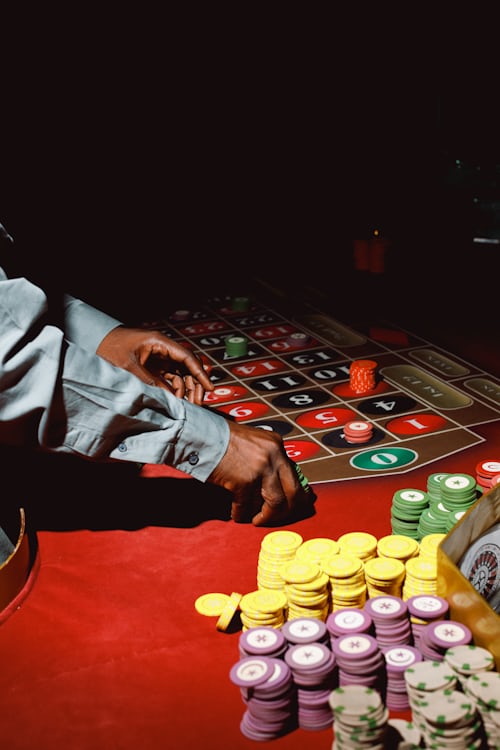
As societies evolved, so did the methods of gambling. The introduction of cards in China during the Tang Dynasty around the 9th century marked a significant turning point in the history of gambling. This innovation laid the foundation for many of the card games that we know today, showcasing the adaptability and continual evolution of gambling practices. Additionally, the psychological effects of gambling have drawn attention, highlighting complex motivations behind why individuals participate in these activities.
The Establishment of Casinos
The term “casino” originates from the Italian word for “little house,” referring to small villas used for leisure activities. The first official casino, known as the Ridotto, was established in Venice in 1638, providing a regulated environment for gambling. This establishment was revolutionary, as it combined various gambling games under one roof, attracting a wealthy clientele who could gamble in a socially accepted manner.
Throughout the 18th and 19th centuries, the popularity of casinos spread across Europe, with notable locations such as Monte Carlo and Baden-Baden emerging as premier gambling destinations. These casinos became synonymous with luxury, elegance, and high society, shaping the modern understanding of what a casino represents.
The Rise of American Casinos
In the United States, gambling faced a more tumultuous history, often influenced by socio-political factors. The early 20th century saw a wave of prohibition against gambling, but this didn’t stifle its popularity. The Great Depression of the 1930s sparked the establishment of legal casinos in Nevada, with Las Vegas quickly becoming a beacon for gamblers seeking entertainment and thrill.
The post-World War II era saw an explosion of casino development, as the American Dream attracted people from all walks of life. The evolution of Las Vegas into a major entertainment capital was pivotal, leading to a new era of casinos that offered extravagant shows, fine dining, and themed experiences, fundamentally changing the landscape of gambling.
The Digital Transformation
The advent of the internet brought about a seismic shift in the gambling world. Online casinos began to emerge in the late 1990s, allowing players to enjoy their favorite games from the comfort of their homes. This digital transformation made gambling more accessible, breaking geographic barriers that had previously limited participation in casino activities.
With technological advancements, online casinos have evolved to provide immersive gaming experiences with live dealers, interactive features, and mobile compatibility. The rise of cryptocurrencies has further revolutionized the online gambling landscape, offering players enhanced privacy and faster transactions, making gambling more appealing than ever before.

The Future of Casinos
As we look towards the future, the evolution of casinos appears set to continue. Trends indicate a growing focus on responsible gambling, with operators increasingly adopting measures to promote healthy gaming habits. Innovations in virtual reality and augmented reality are likely to shape the next generation of casino experiences, providing even more engaging environments for players.
Additionally, as online and land-based casinos continue to converge, the gambling industry is expected to adapt further to changing consumer preferences, ensuring that it remains a dynamic and engaging space for both novice and seasoned players.
